
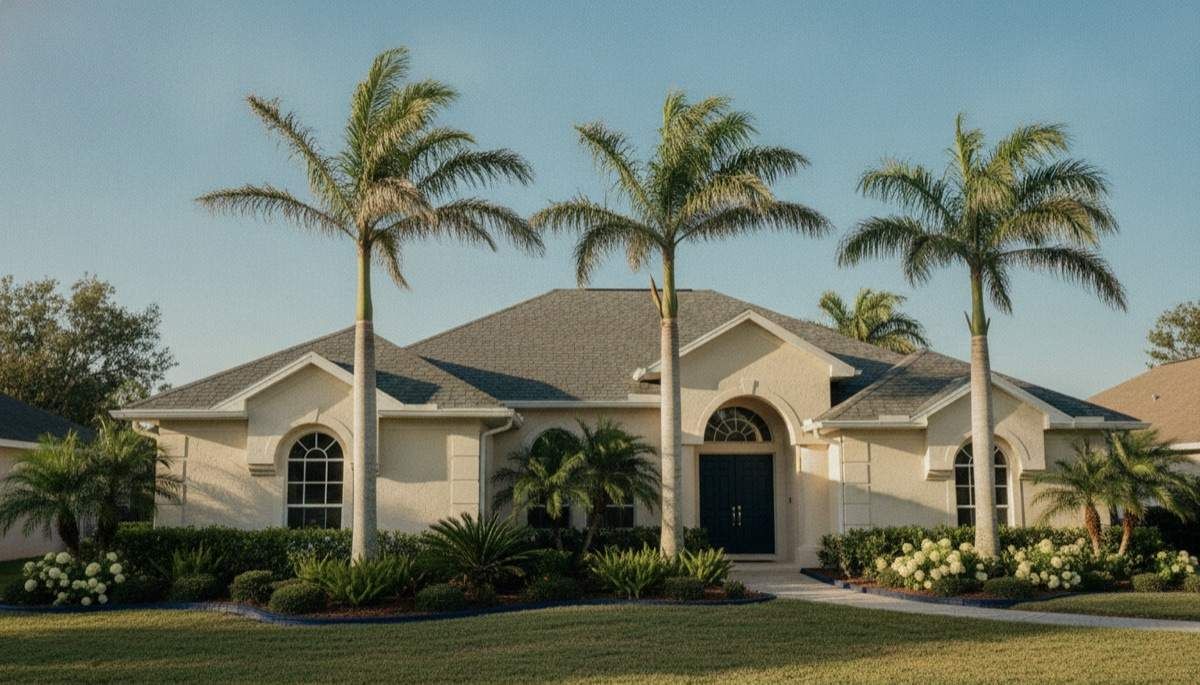
Picture a house in Sarasota that its owners close up in early May and open again around Thanksgiving. The shutters are stored, the thermostat is set high to save on the power bill, and the water is left on because the irrigation needs it. In late June a braided supply line under a bathroom sink lets go. Nobody is there. Water runs for days. Nobody notices anything until the owners walk in the week before Thanksgiving.
That house is not hypothetical in its parts. Every piece of it is a line in a standard homeowners policy. The question is not whether water damage is covered. It is which clauses that empty house tripped while it sat there, and what the owner could have done in April that would have made November a phone call instead of a gutting.
The words the policy uses
The base form most American homeowners policies are built from is the Insurance Services Office HO 3 special form. Florida carriers file their own versions, so your wording will differ, but the structure is the same and it is worth reading the base form once.
Two words matter for a seasonal house: vacant and unoccupied. The policy treats them differently. A furnished home that the owner uses part of the year and simply is not in right now is generally unoccupied. A home emptied of the owner's belongings and with no one living in it is vacant. The ISO HO 3 does not pay for vandalism and malicious mischief "if the dwelling has been vacant for more than 60 consecutive days immediately before the loss." The same 60 day vacancy rule takes away the glass breakage coverage on the residence premises.
A Sarasota winter home with its furniture, its clothes in the closet and its car in the garage is usually not vacant under that wording. A house between owners, mid renovation with the contents moved out, or inherited and sitting empty while the family decides, often is. If your second home is in that second group, tell the carrier, because the policy you need is different.
The water clauses
Water is where an empty Florida house gets hurt. The HO 3 covers sudden accidental discharge from a plumbing system or household appliance, including the cost to tear out a wall to reach the pipe. That is the good news for the June supply line.
The harder part is what grows afterward. The HO 3 excludes mold, fungus and wet rot, with one exception: it does pay for mold "hidden within the walls or ceilings or beneath the floors" when it results from an accidental discharge of water from a plumbing, heating or air conditioning system or a household appliance. Mold that has spread across open drywall and furniture over five months of a Florida summer, in a house with the air conditioning set at 85, is the kind of claim where the adjuster will read that exception very closely. Some policies also add a separate, smaller limit for mold by endorsement. Check whether yours has one and what it is.
The HO 3 also has a freezing condition: frozen pipes are covered only if you used reasonable care to maintain heat or shut off the water and drain the system. That clause rarely matters in Sarasota. The principle behind it does. The policy expects the owner of an empty house to take ordinary precautions, and a carrier looking at a long, slow loss in a closed house will ask what those precautions were.
The Florida clock
Florida added a deadline that hits seasonal owners harder than anyone. Under section 627.70132 of the Florida Statutes, a property insurance claim "is barred unless notice of the claim was given to the insurer in accordance with the terms of the policy within 1 year after the date of loss." A supplemental claim has 18 months. The clock runs from the date of loss, not the date you found it.
For the June leak found in November, that is still inside the window. For a house that sits empty longer, or a slow leak that started the season before, it may not be. And for a hurricane, the statute sets the date of loss as the day the storm made landfall. If a storm hits in September and the owners are in Ohio until December, the year started in September.
What a private-client carrier asks for
The carriers that write higher-value Florida homes know all of this, and they underwrite around it. On a Vault renewal inspection for a client with more than one home, one of the requirements was an automatic water shutoff: a system with sensors that detects a leak and shuts off the water to the house before it becomes major damage. That is not a discount the carrier was offering. It was a condition.
It is also the single device that changes the June story. With a shutoff on the main, that supply line wets the vanity and the floor, the valve closes, and the owner gets an alert on a phone in Michigan. Without it, the house has five months.
The rest of the list is not complicated, and none of it is expensive next to a remediation:
Someone checks the house on a schedule. A property manager, a house watch service or a neighbor with a key, with a written frequency. Carriers ask who and how often. Write it down and keep it.
Leave the air conditioning on at a setting that controls humidity. Turning it off or setting it very high to save money in a closed Florida house is how a small water event turns into a mold claim.
Know your hurricane plan before you leave. Hurricane season runs June 1 through November 30, which is almost exactly the months a seasonal owner is gone. Who closes the shutters, who checks the house after a storm, and who reports the claim inside the deadline.
Tell the carrier how the house is used. Months occupied, whether it is rented, whether it is furnished. An application that says primary residence on a house you are in for four months is the easiest claim for a carrier to contest.
The second home insurance page covers how a seasonal Gulf Coast house is placed, including the Citizens value limit and the NFIP surcharge on a home that is not a primary residence. The high-value home page covers the private-client carriers, and the flood page covers why flood stays a separate policy.
Sources
- Insurance Services Office, Homeowners 3 Special Form, HO 00 03 10 00, specimen published by the Insurance Information Institute: vandalism and glass vacancy exclusions (60 consecutive days), accidental discharge coverage, hidden mold exception, freezing condition. Florida carriers file their own forms; check your policy.
- Florida Statutes, section 627.70132, Notice of property insurance claim, 2026 text: 1 year notice for initial and reopened claims, 18 months for supplemental claims, date of loss for hurricanes.
- National Hurricane Center, Tropical Cyclone Climatology: Atlantic hurricane season June 1 to November 30.
General information, not legal advice. Coverage depends on the forms and conditions on your policy.
The point
A seasonal Florida home is covered by the same clauses as any other house, but every one of them reads worse when nobody is there for five months. Read the vacancy, water and mold wording before you leave in May, put an automatic water shutoff on the main, and have a named person checking the house and ready to report a claim inside Florida's one year deadline.
Get a quote on this coverage.
Ten minutes on the application. Dennis reads it himself and responds the same business day in most cases.
Start the application →Hendrickson Insurance, (941) 957-2796, dennis@hendricksonins.com, FL License E095547.
Coverage descriptions are general. Actual coverage is governed by the terms, conditions, and exclusions of the issued policy. Availability varies by carrier and by state.
