
When I managed a shopping center, one of the biggest lessons I learned was this:
A strip center is not just a collection of tenants.
It’s an ecosystem.
And ecosystems need activity.
Many shopping centers rely on a marketing fund built into the lease. Tenants contribute dues based on square footage, and those funds are used to promote the center as a whole. The idea is simple. Coordinated marketing benefits everyone.
But marketing only works if it’s intentional.
The Halloween Scarecrow Contest That Drove Traffic
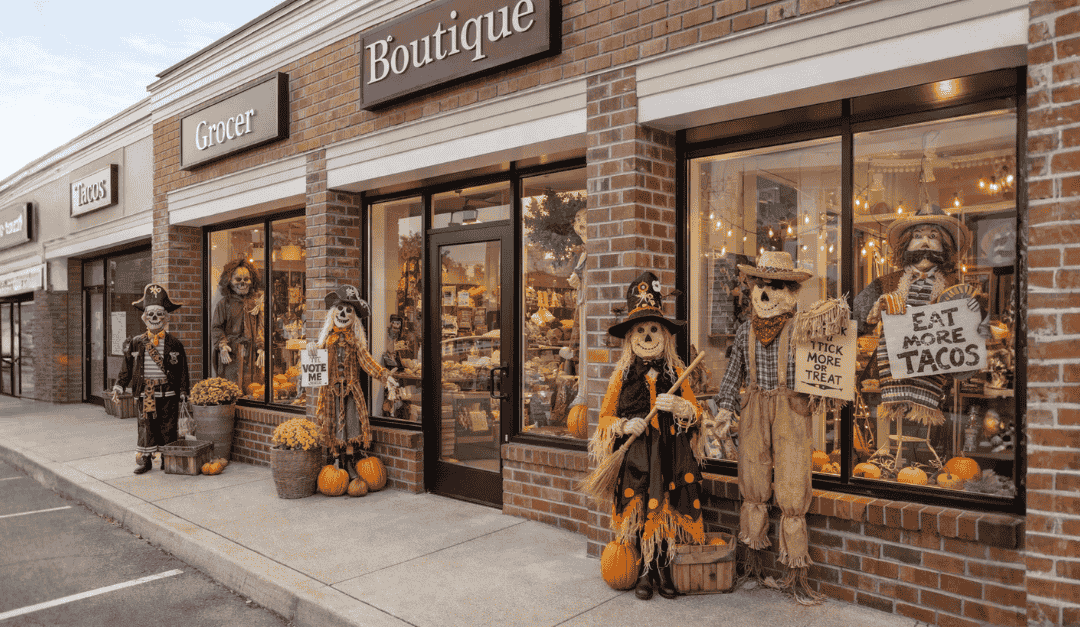
One year, we organized a Halloween scarecrow contest.
Each tenant was invited to build and display their own scarecrow. We advertised it in the local paper and encouraged the community to come vote for their favorite.
The top three tenants won cash prizes.
What happened?
• Tenants got competitive and creative
• Families came specifically to vote
• Customers walked the entire center instead of just visiting one store
• Tenants engaged with shoppers in ways they normally wouldn’t
It wasn’t expensive.
But it was strategic.
We didn’t just run an ad. We created an event.
That’s the difference.
Marketing Funds Only Work If They’re Used Well
In many shopping centers, marketing funds are either underutilized or poorly directed. Sometimes they’re too broad. Sometimes they’re focused only on generic advertising.
But coordinated events, seasonal promotions, contests, holiday themes create shared energy.
Think about what can be done:
• Christmas decorating contests
• Small business spotlight weekends
• Sidewalk sale days
• Back to school events
• Spring festival promotions
• Charity drives tied to tenant participation
These are not mall scale budgets.
They’re community scale engagement strategies.
And grocery anchored strip centers especially benefit from this because the anchor already drives baseline traffic. Your job is to convert that foot traffic into cross shopping.
Why This Matters to Owners
From an ownership standpoint, coordinated marketing does several things:
- Increases overall foot traffic
- Encourages tenants to collaborate
- Improves tenant retention
- Strengthens the center’s identity
- Supports smaller tenants who can’t afford standalone campaigns
When tenants feel like they’re part of something bigger, they stay longer.
And when shoppers view the center as active and community oriented, they return more often.
The Overlooked Risk Side
Here’s where my insurance brain comes in.
Marketing events increase traffic.
Increased traffic increases exposure.
Slip and falls. Temporary displays. Electrical decorations. Public voting setups. Crowd flow.
If you’re running events, your insurance structure and lease language need to match that activity.
You want:
• Proper liability limits
• Clear indemnification language
• Marketing fund authority outlined in the lease
• Defined tenant participation expectations
• Insurance certificates reviewed if vendors are involved
Marketing is good.
Unstructured marketing is risky.
Strip Centers That Win
Large malls have million dollar marketing budgets.
Strip centers don’t need that.
They need coordinated, intentional, community focused activity.
That Halloween scarecrow contest wasn’t about decorations.
It was about engagement.
And engagement is what keeps a strip center alive.
If you own or manage retail property and you’re not thinking about coordinated marketing strategy, you’re leaving both revenue and retention on the table.