
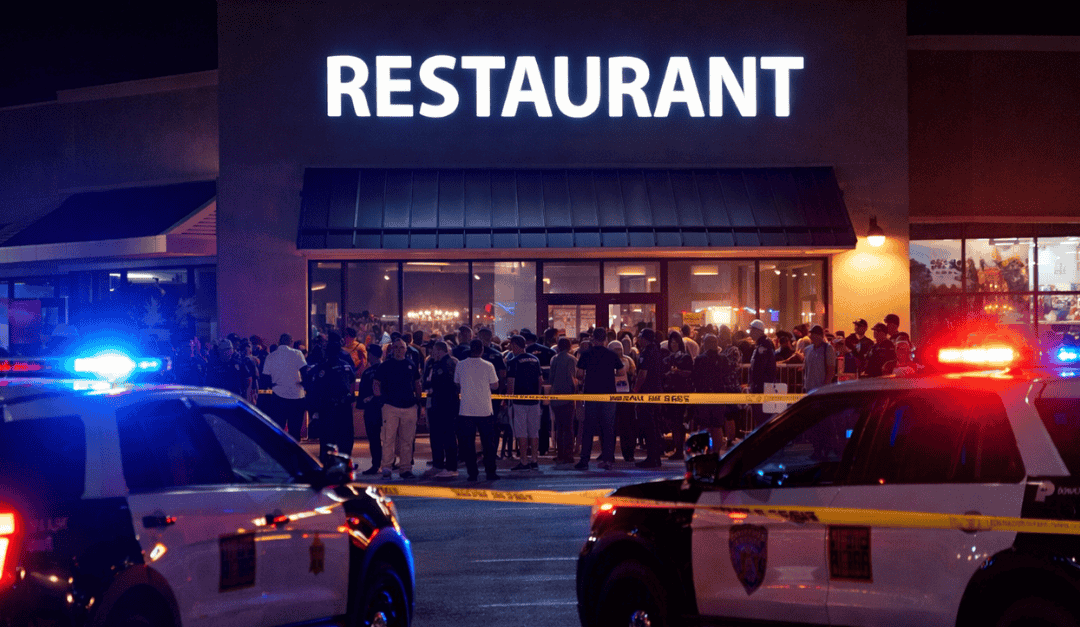
Strip centers live and die by tenant mix. Most owners understand that bars, pubs, and cocktail lounges can introduce additional risk, which is why many leases restrict them or carefully control where they are located. The larger and more dangerous issue often comes from tenants who misrepresent what they intend to operate.
A tenant may sign a lease stating they are a family restaurant or casual dining concept. On paper, that use appears compatible with a neighborhood shopping center. Over time, however, the operation can quietly shift. Hours extend late into the night, alcohol sales become the primary revenue driver, and the business begins functioning more like a bar than a restaurant.
That shift does not just create operational problems. It creates insurance problems.
Many insurance policies differentiate between restaurants and bars based on alcohol exposure and the percentage of revenue derived from food versus alcohol. If a tenant represents that alcohol sales are incidental, but in reality alcohol becomes the primary source of revenue, coverage issues can arise. In some cases, the tenant’s policy may not respond as expected to liquor-related claims, assaults, or violent incidents. In more severe situations, misrepresentation of operations can lead to coverage disputes or denials.
The risk does not stop with the tenant. When serious incidents occur, attorneys often look beyond the business and toward the property owner. If the landlord knew or should have known the tenant’s operation had changed, liability arguments become easier to make. At the same time, police involvement frequently triggers code enforcement activity, and code enforcement pressure often lands squarely on the property owner, not the tenant.
This combination of misrepresented use, inadequate insurance alignment, and regulatory scrutiny can be devastating to a shopping center. Owners may face months of enforcement actions, pressure from other tenants, and exposure that was never contemplated when the lease was signed.
This is why lease language matters. Permitted use clauses should be specific and tied to operational realities, including hours of operation and the role of alcohol sales. The lease should require the tenant to maintain insurance that accurately reflects their actual business operations and provide updated information if those operations change. Just as importantly, the lease must give the landlord the right to act quickly if the tenant deviates from their stated use.
When a tenant operates differently than represented, it is not just a leasing issue. It is an insurance issue, a liability issue, and often a regulatory issue. Protecting the center starts with accurate representations, enforceable lease language, and insurance that matches reality.